Start here
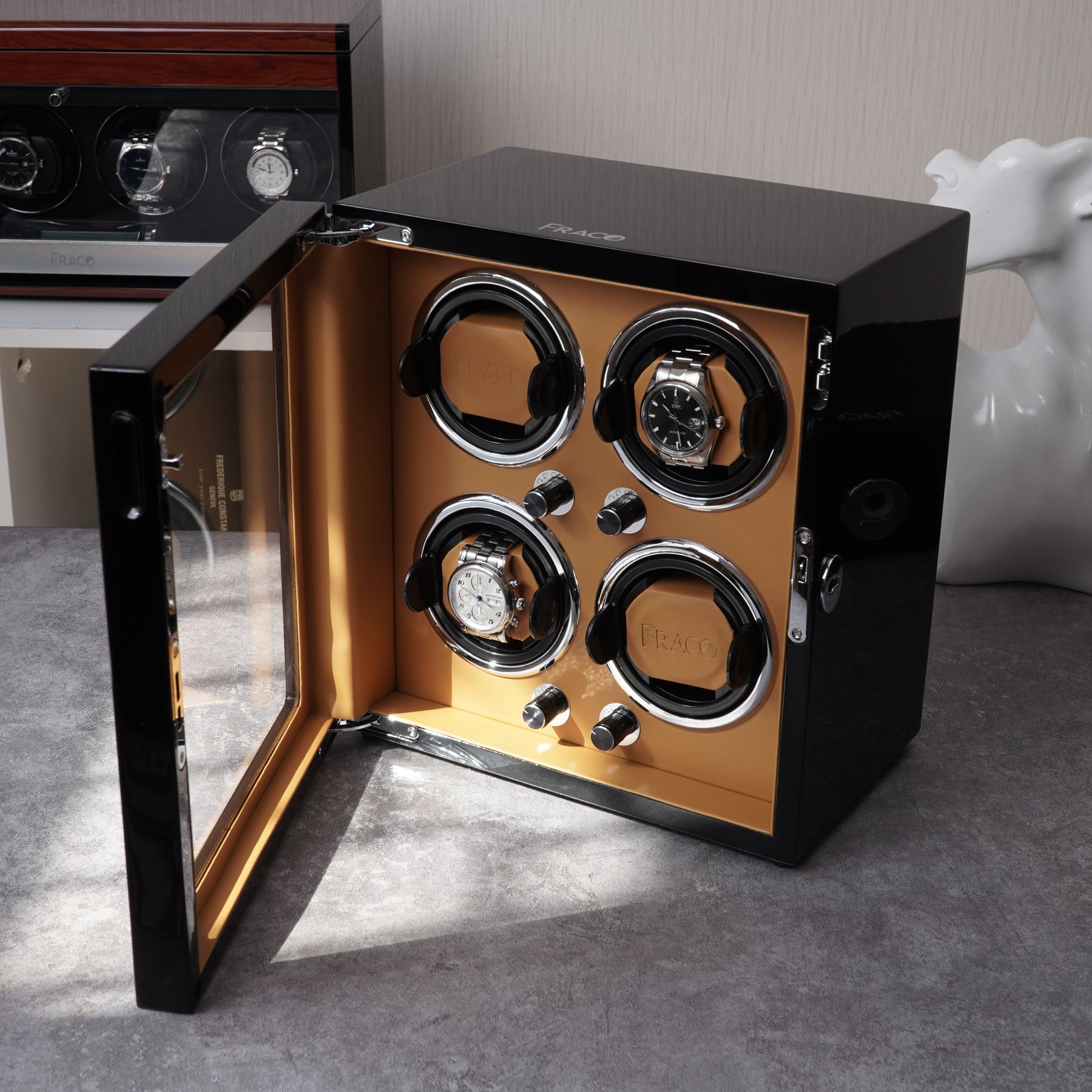
Most automatic watches do not need a winder. Consider one when regularly resetting a complex calendar creates genuine friction; otherwise letting the watch stop and setting it before wear is normal ownership.
Compare the decision
SituationSimple time or date watch
Likely choiceNo winder required
ReasonSetting is quick and a stopped watch is normal
SituationFrequently worn complex calendar
Likely choiceWinder may help
ReasonResetting can be time-consuming
SituationWatch stored for long periods
Likely choiceUsually leave stopped
ReasonContinuous running adds no practical benefit
SituationPoor power reserve or erratic winding
Likely choiceSeek assessment
ReasonA winder should not conceal a service problem
A stopped watch is not a failure
An automatic watch can safely stop when it is not being worn. Winding and setting it before use is a normal part of ownership. A winder is therefore a convenience device, not routine life support for the movement.
The strongest case for a winder is a watch with a calendar or other complication that is time-consuming to reset. For a simple time-and-date watch, the convenience may be modest.
Consider the complete routine
If you rotate several watches frequently, a winder may reduce repeated setting. If a watch sits for weeks at a time, leaving it stopped can be simpler. Manufacturer instructions and the condition of the movement matter more than general internet rules.
A winder should never be used to mask weak power reserve, unreliable winding or another service issue. Those symptoms require assessment.
If you choose one
Use movement-appropriate direction and turns-per-day settings rather than maximum rotation. The cushion should hold the watch without straining the bracelet, and the motor should operate quietly and consistently.
- Confirm the movement’s winding direction
- Use an appropriate turns-per-day setting
- Check cushion and bracelet fit
- Treat irregular running as a service question
Costs beyond the purchase price
A winder occupies secure storage space, requires power and introduces a motor and control system that can fail. Multi-watch cabinets can encourage owners to keep every watch running even when only one complicated piece benefits.
Compare that continuing complexity with the few minutes required to wind and set the watch. For many owners, a quiet manual routine is the less expensive and more dependable answer.
The WatchAnnex conclusion
Buy a winder only after identifying a specific convenience it provides for a specific movement. Future approved recommendations should state capacity, adjustment range, cushion dimensions and tested noise characteristics. If a watch behaves abnormally, the appropriate WatchAnnex connection is qualified service, not a product link.
Take this with you
- Identify the exact movement and complication
- Confirm the maker’s winding direction and guidance
- Estimate how often the watch is actually worn
- Separate convenience from a suspected service issue
- If buying, choose adjustable turns, rest cycles and secure fit
Photo: Quang Viet Nguyen / Pexels ↗