Start here
Quartz is usually the stronger tool for accuracy and grab-and-go use. Automatic is the stronger choice when the mechanical movement is part of the pleasure. Fit, legibility and service access matter more than treating one technology as inherently superior.
Compare the decision
FactorAccuracy
QuartzUsually measured over months
AutomaticUsually measured over days
FactorAfter time off wrist
QuartzNormally still running
AutomaticMay stop after its power reserve
FactorRoutine attention
QuartzLow
AutomaticWinding and setting may be required
FactorLong-term service
QuartzBattery or solar system plus seals
AutomaticPeriodic mechanical service
FactorOwnership appeal
QuartzPractical precision
AutomaticMechanical interaction
Quartz prioritizes readiness
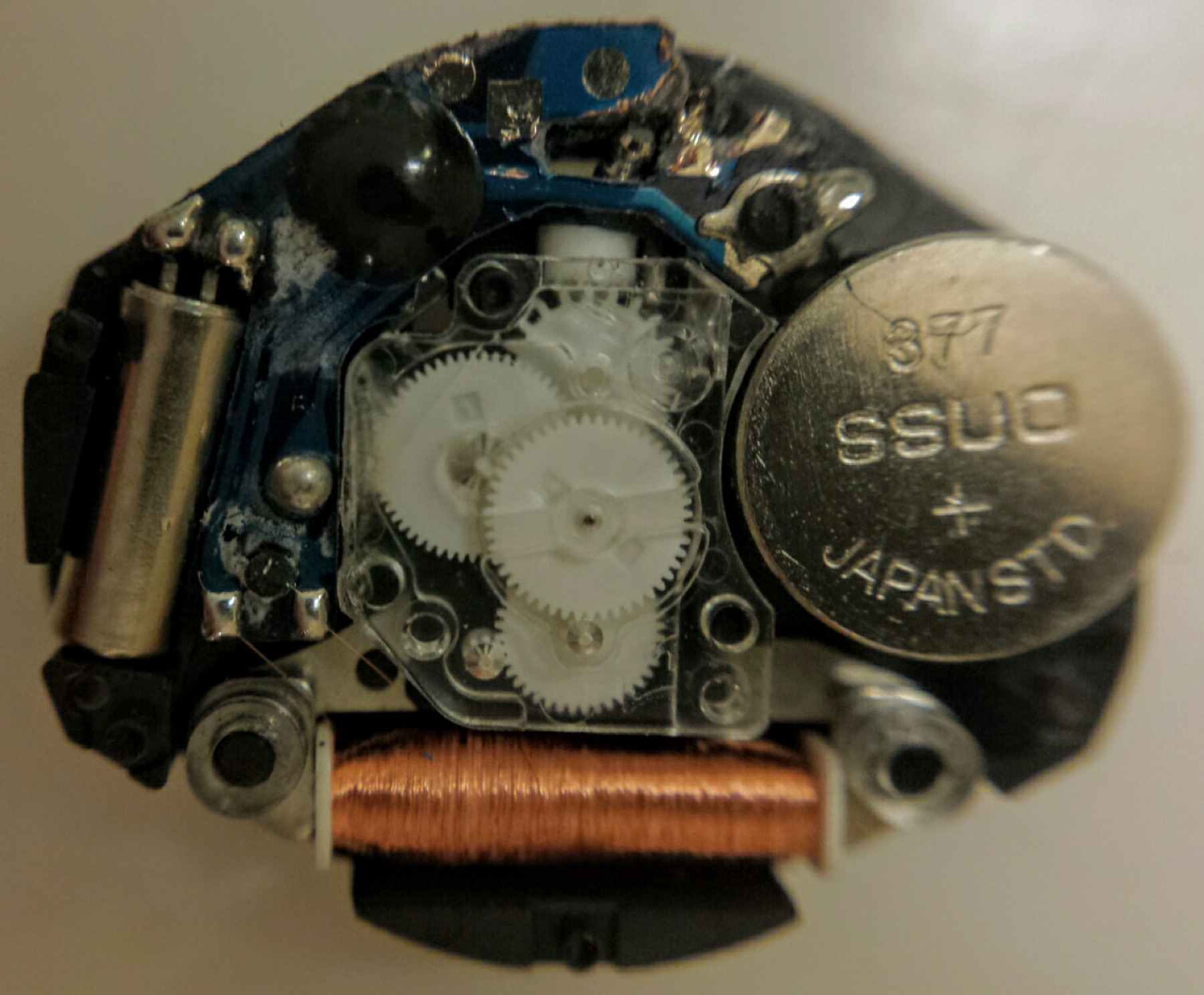
A quartz watch uses an electronic oscillator and battery or stored solar energy to regulate time. It is typically more accurate than a mechanical watch, can remain ready after days off the wrist and requires little daily interaction.
Battery replacement and water-resistance checks still matter. Solar models reduce ordinary battery changes, but they need appropriate light and should not be stored indefinitely in darkness.
Automatic changes the relationship
An automatic movement winds through motion on the wrist and can also be wound manually when designed for it. The appeal is mechanical operation and interaction rather than superior accuracy. If the watch rests beyond its power reserve, it will stop and need to be set again.
Service is less frequent than daily care but more involved than a typical battery change. Owners should accept that as part of the experience.
Choose by friction
Select quartz when accuracy, grab-and-go convenience and lower routine involvement matter most. Select automatic when the movement itself contributes to why you want the watch. An everyday watch succeeds when its ownership demands match your habits.
- Quartz: accuracy and convenience
- Solar quartz: convenience with light management
- Automatic: mechanical interaction and periodic service
- Either: fit, legibility and water resistance still lead
Cost is more than the first service
Quartz is often less expensive to maintain, but specialized modules, integrated electronics or neglected battery leakage can complicate repair. Automatic movements vary widely in service cost and parts availability. A common movement supported by many watchmakers may be easier to own than an unusual one.
Ask who can service the exact watch, how water resistance is restored after opening and whether the manufacturer supplies parts. These questions matter more over a decade than a broad rule about movement type.
The WatchAnnex conclusion
Choose quartz without apology when reliable time and low involvement are the goal. Choose automatic because you value the mechanism and accept its routines. Neither choice compensates for poor fit, weak legibility or a watch that is too precious for daily use.
Take this with you
- Decide how much time-setting you tolerate
- Compare total service access, not only purchase price
- Check water-resistance maintenance for either type
- Choose the watch that fits, not the movement label
- For solar, plan regular light exposure
Photo: Glosome / Wikimedia Commons · CC BY-SA 4.0 · resized ↗