The short answer
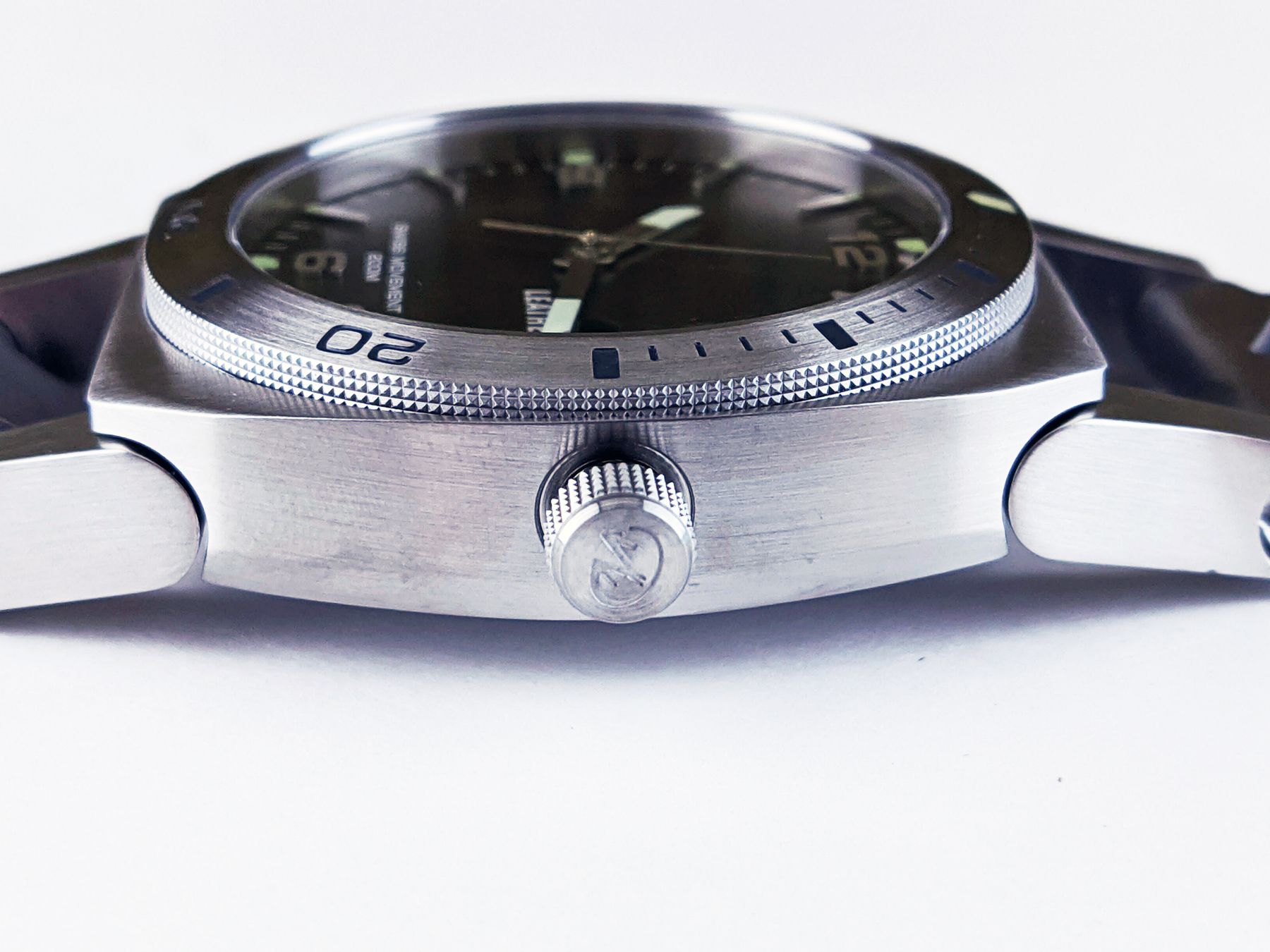
Condition is a component-by-component assessment, not a seller’s adjective. Inspect case geometry, bezel, crystal, dial, hands, crown, bracelet, clasp and movement separately, then consider originality, service needs and how the watch will actually be used.
Compare the decision
Condition labels are not standards
Words such as excellent and very good are seller descriptions, not universal grades. The photographs and written disclosure should explain what the label means.
Inspect by component
Review case, bezel, crystal, dial, hands, crown, pushers, bracelet, clasp and movement separately. A clean dial does not offset a heavily refinished case or an uncertain movement.
Originality and usability
Original parts can matter greatly to collectors, while correctly fitted service parts may improve practicality. The right balance depends on the age, rarity and intended use of the watch.
Ask direct questions
Request clear photographs, polishing history, timekeeping information, service records and disclosure of replaced parts. A trustworthy seller should make uncertainty visible rather than hide it.
Buyer checklist
- Ignore condition labels until reviewing evidence
- Request direct-light photographs from multiple angles
- Ask about polishing and replacement parts
- Test every crown, pusher and complication
- Confirm bracelet links and clasp security
- Separate cosmetic wear from mechanical need
- Document all disclosures in the transaction
Photo: Andrey Matveev / Pexels ↗