Start here
A good everyday watch disappears on the wrist until you need it. It should remain comfortable, readable and appropriate across most of your week, with enough water resistance and service support for normal use at a price that does not make you afraid to wear it.
Compare the decision
PriorityFit
What good looks likeStable, comfortable and proportionate all day
Common mistakeChoosing by diameter alone
PriorityLegibility
What good looks likeTime reads immediately in normal light
Common mistakePrioritizing dial detail over contrast
PriorityResilience
What good looks likeSuitable for routine water and impact exposure
Common mistakeTreating ratings as permanent guarantees
PriorityMovement
What good looks likeMatches your desired involvement
Common mistakeBuying automatic only for status
PriorityCost
What good looks likeAllows normal wear and maintenance
Common mistakeSpending to the point of anxiety
Begin with your actual day
An everyday watch should suit the environments you move through most often. Desk work, commuting, exercise, water exposure and formal clothing create different needs. Write down the situations before comparing brands or models.
The best daily watch is rarely the one with the most features. It is the one that stays comfortable, remains readable and does not require protection from ordinary life.
Fit is the first specification
Diameter, lug-to-lug length, thickness, crown position and bracelet articulation all affect comfort. A watch that looks balanced in a close photograph may feel top-heavy through a full day. Try adjacent sizes when possible and check the clasp at a desk.
Legibility should be tested in normal light, not only under showroom lighting. Contrast and hand shape often matter more than dial complexity.
Choose enough resilience
Water resistance should match the routine and remain subject to seal condition and testing. Scratch resistance helps, but no material makes a watch immune to wear. Consider service access, strap replacements and the cost of using the watch as intended.
- Comfort over a full day
- Clear time at a glance
- Water resistance for real use
- Practical movement and service support
- A price that permits normal wear
One watch cannot optimize everything
A thin dress watch, a large dive watch and a lightweight digital watch solve different problems. An everyday watch should cover the largest share of your actual life, not every possible event. If swimming or formal wear is rare, do not let that edge case control the entire choice.
Versatility comes from proportion, comfort and restraint more often than from a long list of complications. A clear three-hand watch on a well-fitted bracelet or strap can cover more situations than a highly specialized design.
The WatchAnnex conclusion
Build the decision from your calendar outward: activities, clothing, water exposure, desired maintenance and budget. Then select the watch that creates the least daily friction. The result may be quartz, solar or mechanical, inexpensive or premium. Everyday quality is measured by usefulness, not category prestige.
Take this with you
- Wear it for at least several minutes if possible
- Check crown comfort and clasp position at a desk
- Read the time from different angles and lighting
- Confirm the service route and warranty
- Make sure the watch fits most of your real week
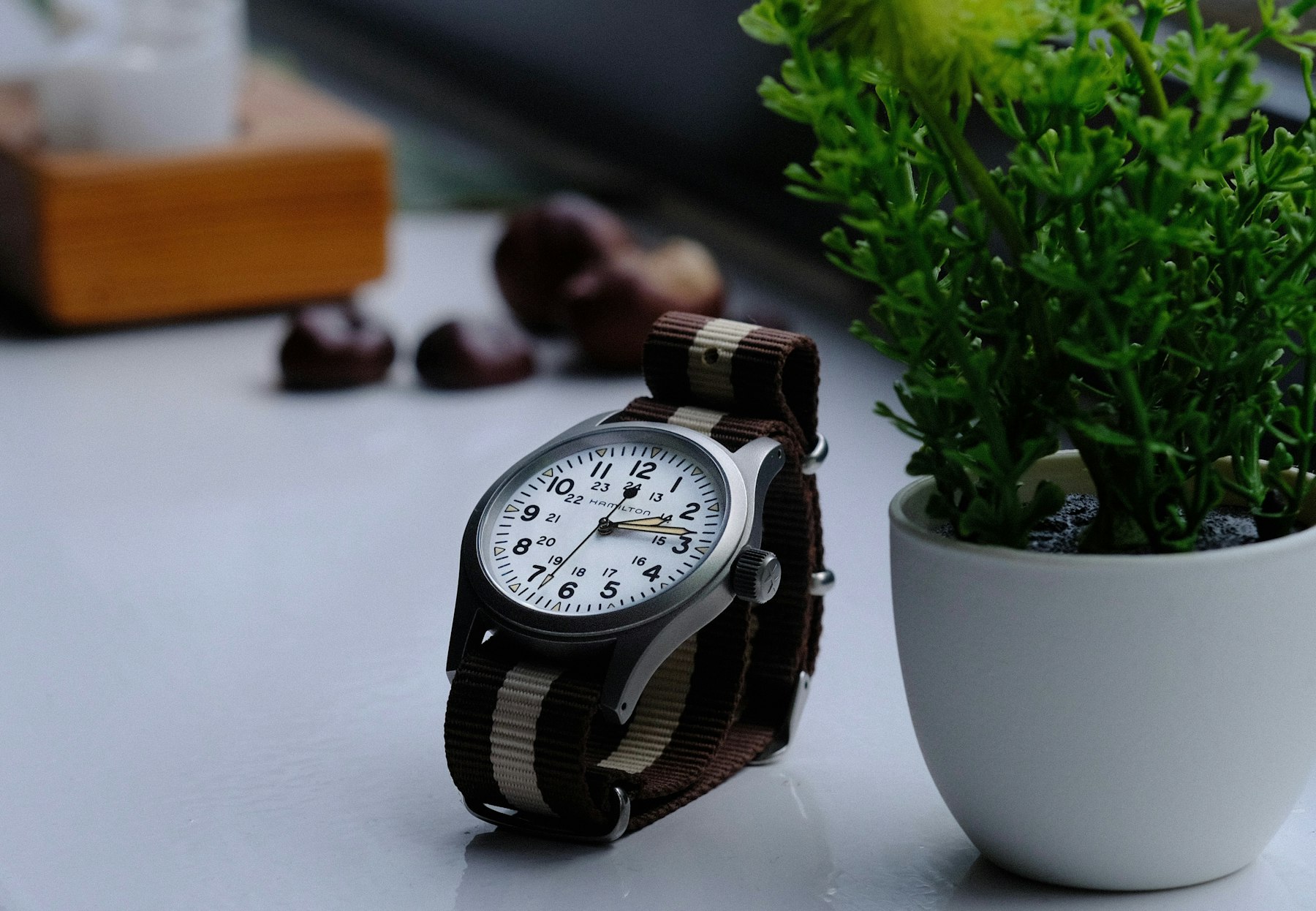
Photo: Maks Makarov / Unsplash ↗